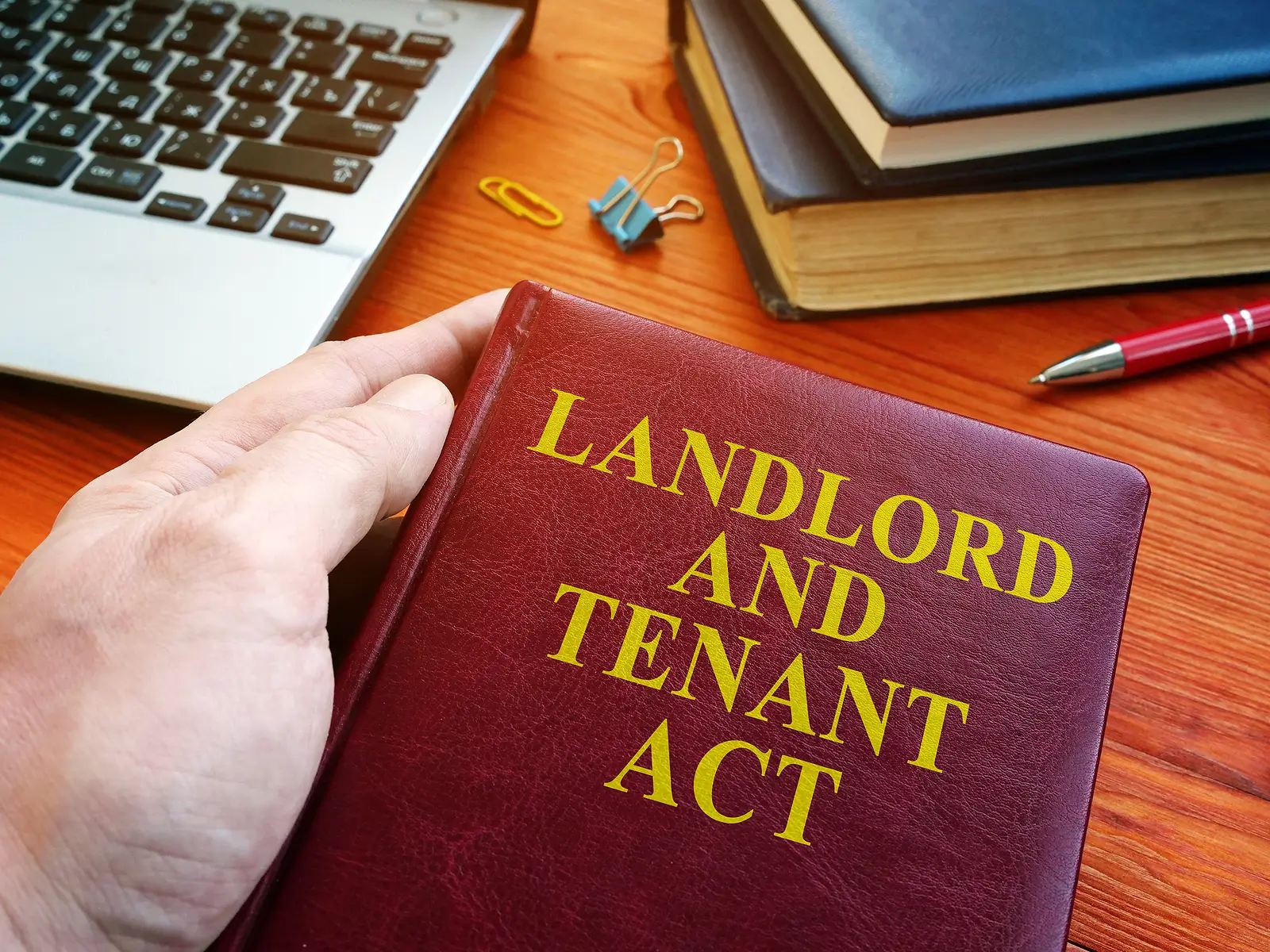
Owning rental property in Georgia can be a strong investment, but it comes with legal responsibilities that landlords cannot afford to overlook. From handling security deposits correctly to following proper eviction procedures, understanding Georgia landlord laws is essential to protecting your investment and avoiding costly mistakes. Non-compliance can lead to fines, legal disputes, or delays that impact your rental income and long-term success.
In growing rental markets like Warner Robins and Perry, demand continues to rise, especially with the steady presence of military tenants from Robins Air Force Base. This creates opportunity, but also increases the importance of staying compliant and professional in every aspect of property management. Establishing solid processes early, such as thorough tenant screening services, can help reduce risk and ensure a smoother landlord experience.
Read on to better understand how Georgia’s landlord laws impact your rental business and how to stay compliant.
Key Takeaways
- Georgia landlord laws favor property owners but still require strict adherence to legal procedures
- Written leases and proper disclosures help prevent disputes and protect your investment
- Security deposit rules are detailed and must be followed carefully to avoid penalties
- Staying proactive with maintenance and tenant relations reduces legal risks over time
Understanding Georgia’s Landlord-Friendly Legal Framework
Georgia’s landlord-tenant laws are governed primarily by Title 44, Chapter 7 of the Georgia Code, which outlines lease agreements, eviction procedures, and landlord responsibilities.
Georgia is often described as a landlord-friendly state because it does not impose rent control and allows flexibility in lease terms. However, this does not mean landlords have unlimited freedom. Courts still expect landlords to follow proper legal procedures, especially when it comes to evictions, handling deposits, and maintaining habitable conditions.
Being “landlord-friendly” simply means there is flexibility, not a lack of rules. Property owners who ignore legal requirements often face avoidable complications that can disrupt operations and profitability.
Lease Agreements and Required Legal Disclosures
Written vs. Oral Lease Agreements
Georgia may recognize oral rental agreements in some circumstances, but relying on a verbal agreement can create confusion and make enforcement difficult. A written lease is far safer and easier to enforce, especially for longer or more detailed arrangements.
Key Lease Clauses That Protect Landlords
A strong lease agreement should clearly define rent amounts, due dates, and acceptable payment methods. It should also outline maintenance responsibilities, establish entry guidelines, and specify lease duration and renewal terms. These details help set expectations and reduce misunderstandings.
Required Disclosures in Georgia
Landlords are required to disclose certain information to tenants. This includes lead-based paint disclosures for older properties, identification of the property owner or manager, and known property conditions. Transparency builds trust and minimizes the risk of legal disputes down the line.
Security Deposit Rules Every Georgia Landlord Must Follow
Security Deposit Limits and Handling
Under current Georgia law, a landlord generally cannot demand or receive a security deposit that exceeds the equivalent of two months’ rent for residential lease agreements entered into or renewed on or after July 1, 2024.
For many Georgia landlords, especially those with more than 10 units or those using a management agent, security deposits must be held in an escrow account or backed by a bond. Failure to follow applicable requirements can result in losing the right to retain any portion of the deposit, and in some cases, landlords may be liable for up to three times the amount wrongfully withheld plus attorney fees.
Move-In Inspection Requirements
For landlords subject to Georgia’s security deposit rules, a move-in inspection and written damage checklist must be completed and reviewed with the tenant before the deposit is finalized. This process helps document the unit’s condition and prevent disputes later.
Returning the Security Deposit
Landlords have 30 days after lease termination to return the security deposit along with an itemized list of any deductions, as required under Georgia law. Missing this deadline or failing to provide documentation can lead to penalties and disputes.
Rent Policies, Fees, and Increases
Rent Control and Pricing Flexibility
Georgia does not have statewide rent control laws, giving landlords the flexibility to set rental rates based on market conditions. This is particularly beneficial in competitive areas like Warner Robins, where demand can shift quickly.
Strategic pricing supported by effective rental marketing plans helps ensure properties remain competitive while maximizing income.
Rules for Rent Increases
Landlords can raise rent when a lease term ends or according to lease provisions. Providing proper notice is essential, even if not explicitly defined in all cases. Clear communication helps maintain positive tenant relationships.
Late Fees and Payment Policies
Late fees are allowed but should be reasonable and clearly outlined in the lease agreement. Establishing consistent payment policies reduces confusion and supports timely rent collection.
Maintenance Responsibilities and Habitability Standards
Landlord Obligations for Property Maintenance
Georgia law requires landlords to maintain properties in a safe and livable condition. This includes ensuring that plumbing, electrical systems, and heating and cooling systems function properly.
Working with professional property maintenance support helps landlords stay ahead of repairs and maintain compliance.
What Makes a Property “Habitable”
A habitable property must meet basic safety and sanitation standards. Issues such as lack of running water, faulty wiring, or structural hazards can violate these standards and expose landlords to legal risk.
Repair Timelines and Tenant Expectations
Repairs must be completed within a reasonable timeframe once a landlord is notified. Delays can lead to tenant complaints, withheld rent claims, or even legal action. Prompt responses help preserve both compliance and tenant satisfaction.
Tenant Rights and Legal Protections in Georgia
Understanding Tenant Rights
Tenants in Georgia have the right to safe housing, privacy, and fair treatment. Landlords must respect these rights while managing their properties.
Fair Housing and Anti-Discrimination Laws
Federal fair housing laws prohibit discrimination based on protected characteristics such as race, religion, gender, disability, and familial status. Landlords must apply consistent screening and leasing practices to avoid violations.
Retaliation Laws Landlords Should Know
Retaliation occurs when a landlord takes negative action against a tenant for filing a complaint or exercising legal rights. This can include raising rent unfairly or initiating eviction without cause. Avoiding these actions is essential for compliance.
Evictions and Lease Termination Procedures
Legal Grounds for Eviction
Landlords can evict tenants for nonpayment of rent, lease violations, or remaining in the property after the lease expires. Each situation requires proper documentation and adherence to legal processes.
The Georgia Eviction Process
Evictions begin with providing proper notice, followed by filing a dispossessory action in court if the issue is not resolved. The process includes court hearings and, if necessary, enforcement by local authorities.
Common Eviction Mistakes to Avoid
Common mistakes include failing to provide proper notice, attempting self-help evictions such as changing locks, and lacking documentation. These errors can delay the process and increase costs.
Special Considerations for Warner Robins and Perry Rental Owners
Managing Different Property Types
Different property types come with unique requirements. Long-term rentals, multi-family properties, and vacation homes may have varying lease structures and management needs. Luxury properties often require higher service standards and more detailed lease agreements.
Local Market Factors That Impact Compliance
Warner Robins and Perry have unique dynamics due to the influence of Robins Air Force Base. Military tenants may have specific lease protections, including early termination rights under federal law.
Seasonal demand and tenant turnover also affect how landlords approach pricing, leasing, and maintenance. Consistent property management practices help ensure compliance while adapting to local trends.
FAQs
1. Can a landlord in Georgia enter a rental property without notice?
Georgia law does not appear to set a general statewide notice period for routine landlord entry, so the lease should clearly define entry expectations. Providing reasonable notice is still a smart practice to reduce disputes and support tenant privacy.
2. What happens if a landlord fails to return a security deposit on time?
If the 30-day deadline is missed or no itemized list is provided, landlords may lose the right to keep any portion of the deposit and could face penalties.
3. Are landlords required to make repairs immediately?
Repairs must be completed within a reasonable timeframe after notice is given. Urgent issues affecting safety or habitability should be addressed as quickly as possible.
Building a Compliant and Resilient Rental Strategy
Success in rental property ownership goes beyond simply knowing the rules. It requires consistent execution, attention to detail, and a proactive approach to managing risk. Landlords who treat compliance as part of their long-term strategy are better equipped to handle challenges, maintain positive tenant relationships, and protect their investments.
Houston County Property Management brings local expertise and hands-on support to help property owners in Warner Robins and Perry stay compliant while optimizing performance. Whether you’re refining your processes or scaling your portfolio, having the right guidance can make a measurable difference.
Reach out today to take the next step toward more confident and efficient property management.